Fifty percent of people in the developing world today live in a country subject to trade sanctions. There is significant evidence that these sanctions affect the capabilities and freedoms enjoyed by people living in these countries. This evidence raises serious questions regarding the ethical implications of sanctions regimes. I sketch several proposals to reform sanctions regimes so as to reduce their negative consequences on economic and human development.
The inadequacy of global liquidity provision and the unequal distribution of its benefits stem from a fundamental distortion: the exercise of market power by the two largest issuers of international currencies. The United States and Europe jointly provide the currencies used for 79 percent of global reserves and 91 percent of trade invoicing, forming a duopoly in the means of payment used by the world economy. The exercise of this market power allows them to capture the bulk of seigniorage rents associated with the provision of global liquidity while constraining developing country growth and limiting the scope of global countercyclical policies. Were the International Monetary Fund to comply with its statutory obligation to make Special Drawing Rights the principal reserve asset in the international monetary system, developing countries would gain access to a source of finance currently monopolized by advanced economies.
Venezuela necesita un nuevo espacio de discusión que nos permita centrar el debate público en lo verdaderamente relevante: articular una visión que nos ayude a reencontrarnos como nación.
A lo largo de la última década, Venezuela atravesó el mayor colapso económico documentado en un país en tiempos de paz. Entre 2012 y 2020, el producto interno bruto real por habitante cayó 71% – una contracción equivalente en magnitud a la de tres Grandes Depresiones de las que vivió Estados Unidos después del crash de 1929. El salario mínimo medido en dólares disminuyó en más del 90 por ciento, mientras que la pobreza aumentó de 33% a 93% de la población. El país sufrió lo que llegó a convertirse en la tercera hiperinflación más larga en la historia de la humanidad. Más de una quinta parte de la población emigró, marcando el segundo mayor movimiento de población documentado en la historia mundial.
Ciertamente las malas políticas económicas jugaron un rol central en provocar esta crisis. Entre 1999 y 2012, Venezuela vivió el mayor incremento en el precio relativo de sus exportaciones en su historia. Debido al aumento vertiginoso en el precio del petróleo en la primera década del siglo XXI, éste fue también el mayor boom en precios de exportaciones visto por cualquier economía latinoamericana durante este siglo. En vez de ahorrar los recursos derivados de ese boom e invertirlos en aumentar nuestra capacidad exportadora, el país se embarcó en una expansión del consumo y endeudamiento que probaría ser insostenible cuando los precios del petróleo comenzaron a caer en 2014. A pesar de contar con lo que, de acuerdo con algunas estimaciones, son las mayores reservas petroleras del mundo, la participación de Venezuela en el mercado petrolero mundial disminuyó paulatinamente al tiempo que otros miembros de la OPEP aprovechaban la coyuntura de mayores precios para aumentar su producción.
Un solo ejemplo nos ofrece un contraste impactante: en el año 1998, Arabia Saudita tenía un nivel de reservas internacionales de $16 millardos, similar a los $15 millardos de Venezuela. Para septiembre de 2014, las reservas venezolanas alcanzaban $21 millardos, mientras que las de Arabia Saudita habían crecido a $744 millardos. La caída de los precios del petróleo casi no afectó a la economía de Arabia Saudita, que se había preparado para esa eventualidad con la acumulación de reservas. En Venezuela, la misma caída llevó a una fuerte contracción económica después que el país comenzó a recortar abruptamente las importaciones al quedarse sin dinero.
Tierra arrasada
Si hay una característica que marcó las políticas económicas venezolanas en estos tiempos fue la subordinación de los objetivos económicos a los objetivos políticos. La disposición del gobierno venezolano a imponer fuertes distorsiones a la economía para fortalecerse en el poder se exacerbó cuando la economía se desaceleró y el gobierno comenzó a perder popularidad a partir de 2013. Tal vez el ejemplo más emblemático de esta subordinación de la economía a la política fue la decisión tomada por Nicolás Maduro en noviembre de ese año de ordenar la ocupación de las tiendas Daka al acusar a sus dueños de inflar los precios de productos electrodomésticos. El llamado Dakazo logró darle al partido de gobierno un breve pero importante rebote en su popularidad que aseguró su triunfo en las elecciones municipales de diciembre de 2013. Pocos meses después, el país comenzó a sentir los estragos de la escasez cuando los minoristas decidieron que preferían reducir su oferta de bienes en vez de correr el riesgo de seguir la misma suerte de los almacenes de Daka.
Si hay una característica que marcó las políticas económicas venezolanas en estos tiempos fue la subordinación de los objetivos económicos a los objetivos políticos.
No fue solo el gobierno de Maduro que decidió subordinar las decisiones económicas del país al objetivo de prevalecer en la lucha por el poder. Varios meses antes de la imposición de las primeras sanciones económicas a Venezuela, la directiva de la Asamblea Nacional se dirigió a varios bancos internacionales para pedirles que no extendiesen financiamiento al gobierno de Venezuela. Como resultado, muchas entidades suspendieron discusiones con el país sobre posibles operaciones de refinanciamiento, obligando a la nación a emprender mayores recortes de importaciones y profundizando la recesión. Una parte importante del liderazgo opositor pasaría a apoyar públicamente la imposición de sanciones económicas a Venezuela a partir de agosto de 2017 por la administración estadounidense de Donald Trump. Varios estudios han demostrado que estas sanciones tuvieron efectos adversos significativos sobre la producción petrolera venezolana, profundizando la caída de ingresos por exportaciones y obligando al país a recortar aún más su gasto en importaciones esenciales.[1] Si bien el inicio de la contracción económica venezolana precedió a las sanciones, la evidencia muestra que estas contribuyeron a la profundización de esa contracción, impidiendo que la economía venezolana se estabilizase cuando comenzaron a recuperarse los precios de petróleo.
La actitud de muchos dirigentes opositores en este proceso comenzó a mostrar un curioso parecido con lo que por mucho tiempo había sido el discurso oficialista. Al ser confrontados con la evidencia incontrovertible del efecto de las sanciones sobre la economía del país, se encerraban en repetir que el único culpable de la tragedia del país era Maduro. Era casi como escuchar a Chávez de nuevo repitiendo que todos los problemas del país se debían a la Cuarta República y negándose a asumir responsabilidad por las consecuencias de sus decisiones. A menudo alegaban que las sanciones eran el único instrumento de presión sobre el régimen con el que contaban, justificando hacerle daño a la economía del país si eso les ayudaba a lograr un cambio de gobierno. Los venezolanos terminaron atrapados en el fuego cruzado entre quienes estaban dispuestos a destruir la economía del país para mantenerse en el poder y quienes estaban dispuestos a destruirla para llegar al poder.
Los venezolanos terminaron atrapados en el fuego cruzado entre quienes estaban dispuestos a destruir la economía del país para mantenerse en el poder y quienes estaban dispuestos a destruirla para llegar al poder.
Puede que Venezuela no haya atravesado un conflicto armado, pero las consecuencias de nuestra confrontación política han sido tan devastadoras como el de muchas guerras. El escalamiento del conflicto llevó a que los grupos que pugnaban por el poder estuviesen cada vez más dispuestos a adoptar estrategias de tierra arrasada dirigidas a destruir los recursos económicos que podían servir a sus contrincantes. De la misma forma en que los ejércitos en guerra queman sembradíos y bombardean fábricas, las partes del conflicto político venezolano decidieron convertir a la economía venezolana en su campo de batalla.
Venezuela necesita una tregua
Para que nuestro país logre recuperar su economía y comience a abordar los problemas urgentes de hambre, pobreza e inseguridad económica que afectan a millones de venezolanos, hay que poner fin a este conflicto. Venezuela necesita reinsertarse en la economía mundial, recuperar plenamente el acceso a los mercados petroleros y financieros, restructurar sus obligaciones internacionales y comenzar a atraer la inversión internacional necesaria para recuperar la productividad de nuestros sectores petrolero y no petrolero. Esto es imposible mientras quienes luchan por el poder sigan pensando que destruir la economía del país es preferible a salir derrotados.
Lamentablemente, ninguna de las dos partes que han protagonizado el conflicto político ha sido capaz hasta ahora de ofrecer una ruta viable para recuperar la estabilidad política y económica de nuestra nación. Al contrario, las dos han vuelto a articular narrativas gastadas de una confrontación final de la cual aseguran saldrán victoriosos. Ninguna ofrece una ruta a la coexistencia. Ambas se erigen sobre la idea de que los problemas de los venezolanos solo se comenzarán a resolver el día después de que hayan logrado prevalecer en la guerra con sus contrincantes.
De la misma forma en que los ejércitos en guerra queman sembradíos y bombardean fábricas, las partes del conflicto político venezolano decidieron convertir a la economía venezolana en su campo de batalla.
No intento con este argumento construir una falsa equivalencia moral entre las partes del conflicto político. El gobierno de Nicolás Maduro no solo tiene una responsabilidad primordial en la crisis económica y política del país. También ha cometido atroces violaciones de derechos humanos, ha utilizado el poder judicial y de la fiscalía para perseguir a sus opositores políticos, ha subvertido el funcionamiento de las instituciones electorales, y ha ignorado a su antojo la Constitución y las leyes de la República. Es llamativo que incluso algunos de los aliados internacionales históricos del chavismo estén dispuestos a admitir que el gobierno venezolano carece de los atisbos más básicos de una democracia.
Sin embargo, también es una realidad indiscutible que el chavismo sigue siendo una fuerza política importante en la que muchos venezolanos se ven representados. Gústenos o no, al menos una cuarta parte de los venezolanos se identifica con el partido de gobierno, más de la mitad aprueba la gestión de Hugo Chávez como presidente, y cuatro millones de ellos salieron a votar a favor de los candidatos del partido de gobierno en las últimas elecciones regionales.
De la misma manera, es una realidad de nuestro país que a quien gane las elecciones de 2024 le tocará gobernar con una gama de poderes públicos controlados por el actual partido de gobierno. Aceptar competir en las elecciones de 2024 es, de hecho, aspirar a ser proclamado presidente por un poder electoral chavista, juramentarse ante una Asamblea chavista, ver la constitucionalidad de cada acto presidencial determinada por un tribunal chavista, dictar órdenes a unas fuerzas armadas chavistas, y estar sujeto a las determinaciones administrativas y penales de una contraloría y una fiscalía chavistas. Quien piense que puede ejercer el poder en ese contexto bajo un proyecto de aniquilación del chavismo o es muy ingenuo, o está mintiendo.
Que los poderes públicos estén capturados por el chavismo es profundamente injusto, pero no por ello deja de ser parte de nuestra realidad. Es por ello que a quien le toque gobernar a Venezuela a partir del 2025 tendrá que rescatar una palabra que muchos se han dedicado a enlodar en los últimos años: cohabitación. Porque solo un proyecto político que entienda que hay que negociar, convivir y coexistir con el chavismo será capaz de brindar al país la estabilidad necesaria para empezar a atender los problemas urgentes de los venezolanos, recuperar nuestra economía, y emprender las reformas institucionales necesarias para hacer posible la transición hacia una democracia inclusiva.
Un pacto por nuestro futuro
La idea de buscar puntos de acuerdo en torno al diseño de una estrategia económica y de lucha contra la pobreza puede parecer ilusorio después del fracaso de los Acuerdos de Barbados. Pero este fracaso es más bien el mejor ejemplo del tipo de negociación que no debemos intentar replicar.
El fracaso de Barbados era a todas luces tan anticipable y predecible que hasta da algo de pena que se hayan invertido tantos esfuerzos en una negociación que por diseño no podía funcionar. Desde un principio, Barbados se basó en la idea de priorizar la discusión electoral. Pero una negociación electoral en un país donde el ganador se lo lleva todo es, esencialmente, una negociación sobre quién le corta la cabeza a quién. No es sorprendente que esa negociación no haya llegado a nada.
Los acuerdos que necesita Venezuela no se lograrán sentando a dos élites gastadas en un salón de un hotel cinco estrellas en un país extranjero. Los acuerdos que necesita Venezuela se tienen que buscar entre las venezolanas y venezolanos que producen, que trabajan, que crean, que educan, que forman y que innovan. Es una conversación en la que los actores políticos deben jugar un rol menor y secundario. Es un diálogo cuyo lugar natural está en las asambleas sindicales, en los gremios empresariales, en las organizaciones de la sociedad civil, en las asociaciones de vecinos y en los consejos comunales de nuestro país. Es una discusión que debe centrarse menos en quién detenta el poder y más en lo que se debe hacer con ese poder.
Los acuerdos que necesita Venezuela se tienen que buscar entre las venezolanas y venezolanos que producen, que trabajan, que crean, que educan, que forman y que innovan.
Una agenda de discusión para la reconstrucción económica debe abordar las reformas institucionales, productivas y sociales que el país necesita llevar adelante para atender los problemas urgentes de hambre, pobreza y exclusión que hoy atraviesa la gran mayoría de los venezolanos. Debe discutir el diseño de estrategias económicas que permitan reinsertar al país en los mercados internacionales, recuperar nuestro sector petrolero, adelantar una política industrial moderna para diversificar nuestras exportaciones, rediseñar las políticas sociales para despolitizar su acceso, y reformar el marco jurídico para garantizar estabilidad jurídica y atraer inversión internacional.
En el mejor de los casos, una discusión como esta podría ayudar a alcanzar acuerdos en torno a un programa básico de reformas económicas que sirva como base a un acuerdo de gobernabilidad. Si Venezuela contase con élites políticas responsables, las partes del conflicto se comprometerían a llevar a cabo estas reformas independientemente de quién salga electo en las próximas elecciones. No debemos, sin embargo, hacernos ilusiones de que así será. Es mucho más probable que quienes hoy detentan el poder y algunos de quienes aspiren a detentarlo se resistan a aceptar cualquier tipo de restricciones sobre la forma en la que piensan ejercerlo. Sin embargo, la creación de un amplio espacio de discusión sobre cómo queremos que sea nuestro país puede lograr centrar el debate público en lo que verdaderamente es relevante: articular una visión que nos ayude a reencontrarnos como nación.
Nuestra historia no tan lejana nos provee algunos de los mejores ejemplos del poder transformador de las ideas. En 1984 una comisión nombrada por el Presidente Jaime Lusinchi inició un amplio esquema de consultas sobre cómo reformar el Estado venezolano. El resultado fue una de las propuestas más innovadoras de cambio institucional hechas en nuestro país: un programa atrevido de reformas que buscaban que las instituciones venezolanas respondiesen a las inquietudes, demandas y aspiraciones de la gente. Entre las propuestas hechas por esa comisión estaba la elección directa de gobernadores y alcaldes. No es sorprendente que la clase política del momento la haya rechazado de plano. Pero esas ideas comenzaron a cobrar un dinamismo propio y a influir sobre el debate público venezolano, llevando a que años más tarde muchas de ellas fuesen implementadas durante el segundo gobierno de Carlos Andrés Pérez. Hoy, los venezolanos elegimos a nuestros alcaldes y gobernadores (quienes en muchos casos se han convertido en unos de los contrapesos más importantes al poder central) gracias a las ideas puestas en la discusión pública por el trabajo de la Comisión Presidencial para la Reforma del Estado.
Una amplia discusión sobre el país que queremos no es solo un mecanismo para dinamizar nuestro debate público. Es también una forma de apostar a la fuerza transformadora de las ideas para ayudarnos a construir la coexistencia. En esta conversación hay espacio para cada venezolano que, desde sus propias convicciones, creencias y experiencias, comparta el objetivo de querer un país que nos pertenezca a todos. Iniciar esta discusión es abrirnos a descubrir que lo que nos une es más fuerte que lo que nos divide, lo que nos junta es más fuerte que lo que nos separa, y lo que nos hace venezolanos es más fuerte que cualquier color político.
[1] Ver Rodríguez, Francisco “The Human Consequences of Economic Sanctions,” Journal of Economic Studies, November 2023 y Rodríguez, Francisco “Sanctions and Oil Production: Evidence from Venezuela’s Orinoco Basin,” Latin American Economic Review. 31(6), September 2022.
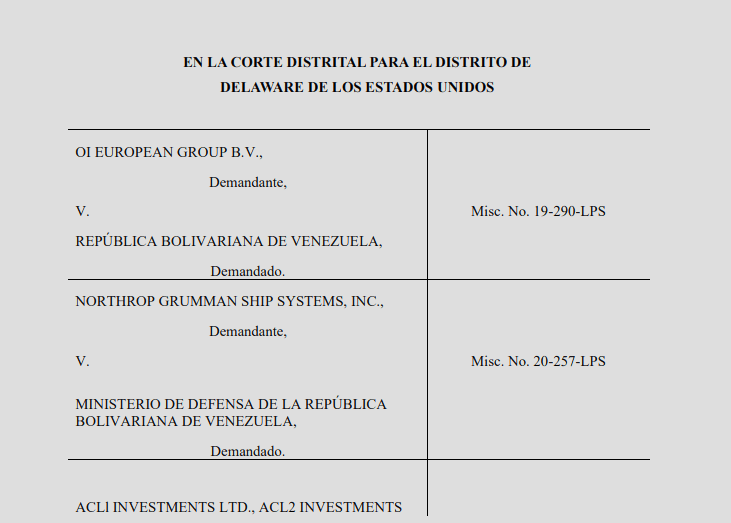
El 23 de marzo de 2023, el Juez Leonard Stark de la Corte Distrital de Delaware emitió una orden determinando que el Gobierno Interino de Venezuela encabezado por Juan Guaidó había ejercido control extensivo sobre PDVSA, lo que permitía que los acreedores de Venezuela ejerciesen acciones de embargo sobre las acciones de la casa matriz de Citgo. Con el objetivo de contribuir a la discusión pública, aquí proveemos una traducción al español de la opinión del Juez Stark.
Do politicians target the benefits of social programs to party loyalists or to swing voters? Traditional tests of this question are clouded by an identification problem caused by the simultaneity of politician and voter choices to participate in the exchange of assistance for votes. I use the holding of an unanticipated repeat gubernatorial election in the Venezuelan state of Barinas in 2022 as a natural experiment to identify the effects of elections on the distribution of government assistance. I estimate that the holding of the election led to an increase in the probability of voters in Barinas receiving food packages in comparison with the control group of voters in the state of Apure. I also find that moderate opposition and third-party voters received larger increases in food benefits. These results are consistent with the predictions of spatial models, according to which elections lead governments to direct more benefits to swing voters instead of core supporters. The findings illustrate why investigation of cross-sectional correlations is insufficient to test the implications of theories of voting if it is not accompanied by a clear identification strategy to help isolate the source of the underlying shocks.
How much have sanctions, and other politically induced restrictions on economic activity, affected the Venezuelan economy? How much of the country’s decline can be attributed to these causes, as opposed to the more standard causes of poor policies and external shocks? In this paper I offer a quantification of the effect of alternative causes. The bottom line is that around half of the country’s economic contraction between 2012 and 2020 can be explained as a result of sanctions and other politically induced restrictions such as the withdrawal of government recognition.
On July 3, 2019, the opposition-appointed Office of the Special Attorney General of Venezuela published a document outlining the principles for the country’s eventual debt restructuring. On March 23, 2023, Delaware District Court Judge Leonard Stark cited this document as proof of the lack of appropriate separation between the management of the country’s oil industry and the interim government, serving as the basis for the decision to allow Venezuela creditors to seek orders to attach CITGO. In this post I reproduce the comments that I published just after the publication of the opposition’s guidelines, arguing that the promise to give different creditors of the Venezuelan state equal treatment was highly problematic and could cause legal problems down the road.

 Francisco R. Rodríguez